Introduction
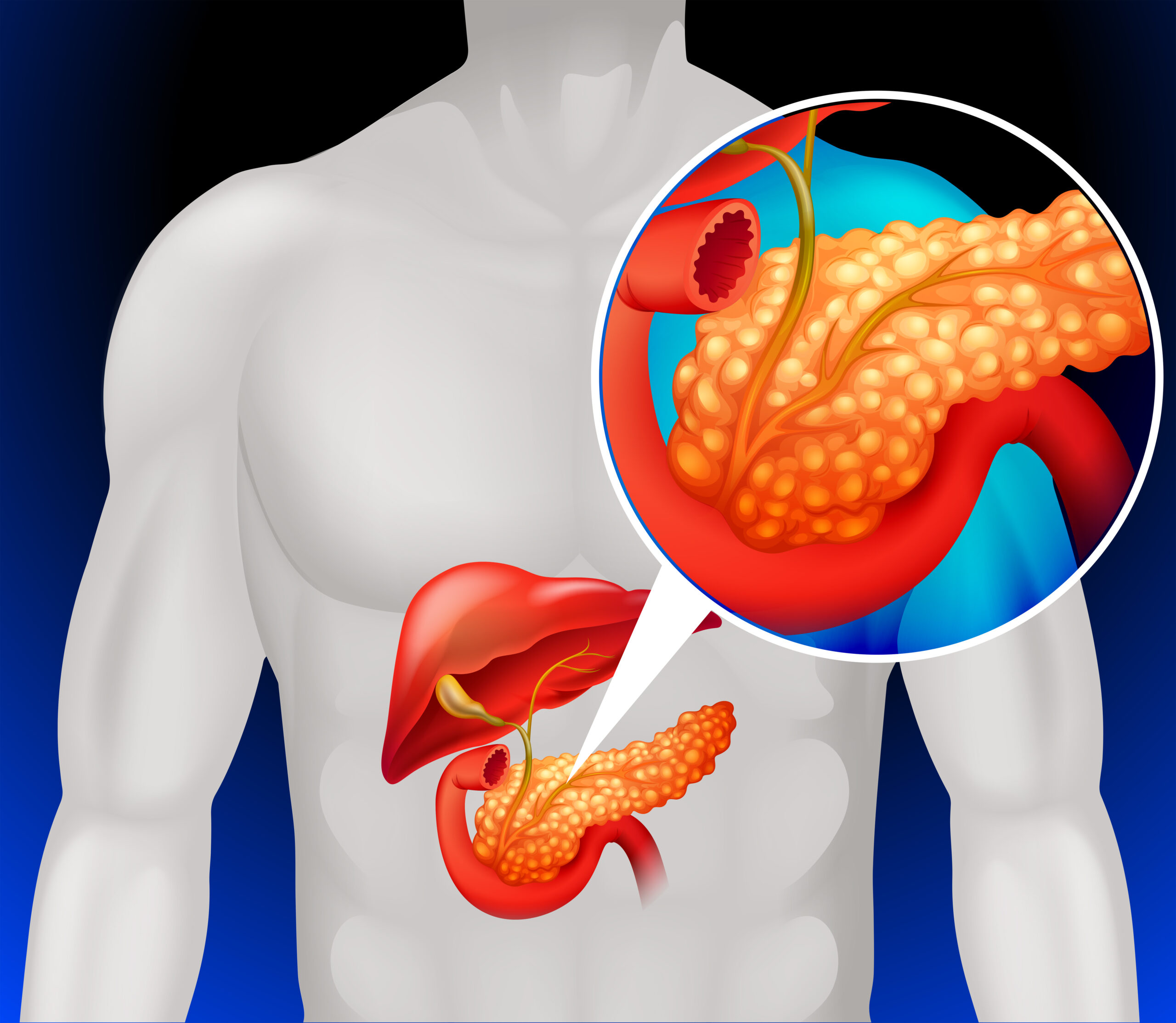
Pancreatic cancer is a serious disease that affects the pancreas, a small organ behind the stomach. Many people fear this cancer because it is often hard to detect early. However, there are many myths about pancreatic cancer that can cause confusion. In this blog, we will explore common myths and facts about pancreatic cancer. This will help you understand the disease better and know what steps you can take to protect your health.
What is Pancreatic Cancer?
Pancreatic cancer starts when cells in the pancreas grow out of control. The pancreas helps with digestion and controls blood sugar. Because the pancreas is deep inside the body, early signs of cancer can be hard to notice. Still, knowing the symptoms and risk factors can help you stay alert.
Although these symptoms can be caused by other conditions, it is important to talk to your doctor if you notice them.
Common Myths About Pancreatic Cancer
Many myths about pancreatic cancer can lead to fear or misunderstanding. Let’s look at some of the most common ones:
Facts You Should Know
Now, let’s separate fact from fiction by looking at the truth behind each myth:
Diagnosis and Treatment Overview
Doctors use several tests to diagnose pancreatic cancer. These may include blood tests, imaging scans like CT or MRI, and sometimes a biopsy. Early diagnosis can improve treatment options. Treatment depends on the stage of the cancer and your overall health. Options may include:
Your healthcare team will help choose the best plan for you. Supportive care can also help manage symptoms and improve quality of life.
Prevention and Lifestyle Guidance
Although you cannot prevent all cases of pancreatic cancer, you can lower your risk. Here are some practical tips:
Making these changes can help protect your pancreas and improve your overall health.
Conclusion
Pancreatic cancer is a challenging disease, but knowing the facts can help you make informed choices. Do not let myths guide your decisions. Instead, talk to your doctor if you have concerns or notice symptoms. Early action can make a difference. Consult a healthcare specialist for personalized advice on pancreatic cancer.