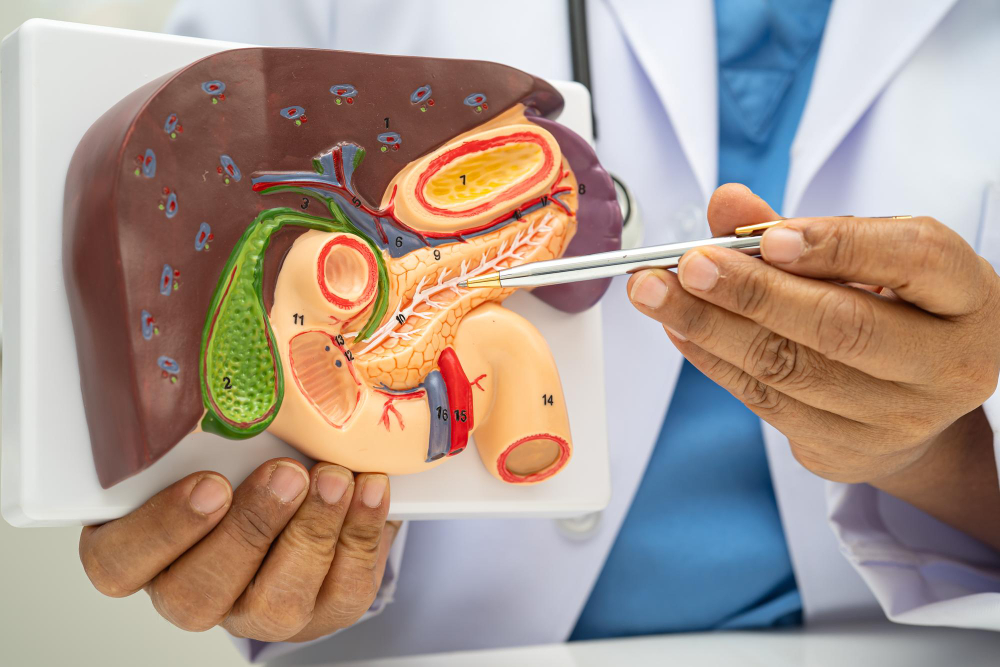
What is Gallbladder Cancer?
Gallbladder cancer is a rare disease. It starts in the gallbladder, a small organ under your liver. The gallbladder stores bile, which helps digest fat. Most people do not notice symptoms early. Often, the cancer is found late. According to the World Health Organization (WHO), gallbladder cancer is more common in some regions, like South Asia and South America.
How is Gallbladder Cancer Diagnosed?
Doctors use several tests to diagnose gallbladder cancer. First, they may order blood tests to check liver function. Next, they often use imaging tests, such as:
Sometimes, a biopsy is needed. In this test, a small tissue sample is taken and checked for cancer cells. Early diagnosis can improve gallbladder cancer prognosis.
Role of Surgery in Gallbladder Cancer Treatment
Surgery is the main treatment for gallbladder cancer. If the cancer is found early, doctors may remove only the gallbladder. This is called a cholecystectomy. In some cases, they also remove nearby tissue or part of the liver. Surgery offers the best chance for a cure. Other gallbladder cancer treatment options include chemotherapy and radiation. However, these are often used when surgery is not possible.
Can Surgery Completely Cure Gallbladder Cancer?
Many people ask if surgery can completely cure gallbladder cancer. The answer depends on several factors. If the cancer is found early and has not spread, surgery can sometimes remove all cancer cells. In these cases, a surgical cure for gallbladder cancer is possible. However, if the cancer has spread, surgery may not cure it. Instead, it may help control symptoms or slow the disease.
Factors Affecting Surgical Outcomes
Several things affect the success of gallbladder cancer surgery:
Early-stage cancers have a better chance of cure. According to the American Cancer Society, the five-year survival rate is higher for early-stage cases.
Risks, Limitations, and Recurrence
Like all surgeries, gallbladder cancer surgery has risks. These may include infection, bleeding, or damage to nearby organs. In addition, not all cancers can be removed completely. Sometimes, cancer cells remain after surgery. Because of this, there is a risk of recurrence. Even after successful surgery, regular follow-up is important. Doctors may suggest more treatment if cancer returns.
When to Consult a Specialist
If you have symptoms like pain in the upper right belly, yellow skin, or unexplained weight loss, see a doctor. Early consultation can help find gallbladder cancer sooner. If you are diagnosed, talk to a cancer specialist. They can explain gallbladder cancer treatment options and discuss if surgery is right for you.
In summary, surgery offers the best chance for a cure in early gallbladder cancer. However, results depend on many factors. Consult a specialist for personalized guidance on gallbladder cancer treatment.