Introduction
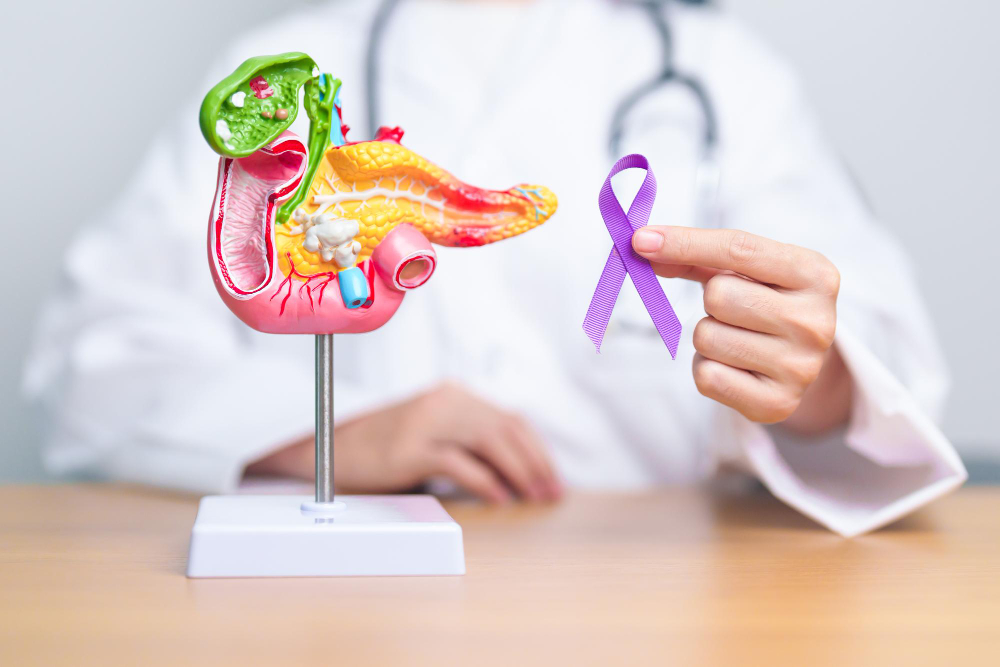
Pancreatic cancer is a serious disease that starts in the pancreas. The pancreas is a small organ behind your stomach. It helps your body digest food and control blood sugar. Because pancreatic cancer often shows few signs early, it can be hard to detect. However, learning about its symptoms and risks can help you seek care sooner. Early diagnosis and treatment improve the chances of better outcomes. According to the World Health Organization, pancreatic cancer is one of the leading causes of cancer deaths worldwide.
Symptoms of Pancreatic Cancer
Many people do not notice symptoms in the early stages. Still, some early signs of pancreatic cancer may appear. Recognizing these symptoms can help you get medical help quickly. Common pancreatic cancer symptoms include:
Sometimes, these signs can be caused by other health problems. Even so, it is important to talk to your doctor if you notice any of them.
Causes and Risk Factors
Doctors do not know the exact cause of pancreatic cancer. Yet, certain factors can increase your risk. For example, age plays a role. Most people diagnosed are over 60 years old. Other risk factors include:
While you cannot change some risks, you can lower others by making healthy choices. For instance, quitting smoking and eating a balanced diet may help.
Diagnosis Methods
Doctors use several tests to find out if you have pancreatic cancer. If you have symptoms or risk factors, your doctor may start with a physical exam. Next, they may order tests such as:
Wondering how is pancreatic cancer diagnosed? Your doctor will choose the best tests for you. Early detection is key, so do not delay if you have concerns.
Treatment Options
Pancreatic cancer treatment options depend on the stage and your health. Your doctor will discuss the best plan for you. Common treatments include:
Sometimes, doctors use more than one treatment. For example, you may have chemotherapy before or after surgery. New treatments are being studied in clinical trials as well.
Lifestyle and Prevention Tips
Although you cannot prevent all cases, some steps may lower your risk. For instance, you can:
Additionally, managing diabetes and chronic pancreatitis may help. While these steps do not guarantee prevention, they support your overall health.
When to See a Doctor
If you notice any pancreatic cancer symptoms or early signs, see a healthcare provider soon. Early action can make a big difference. Also, if you have a family history or other risk factors, talk to your doctor about screening. In many cases, quick diagnosis leads to better treatment options.
In summary, knowing about pancreatic cancer can help you take charge of your health. Consult a healthcare specialist for personalized advice on pancreatic cancer.